

The Dealership Buying Process Still Frustrates Modern Buyers. Here’s Why.
By David Boice, Co-Founder and CEO at Team Velocity
Dealerships lose buyers when the dealership buying process resets in-store instead of continuing their online work.
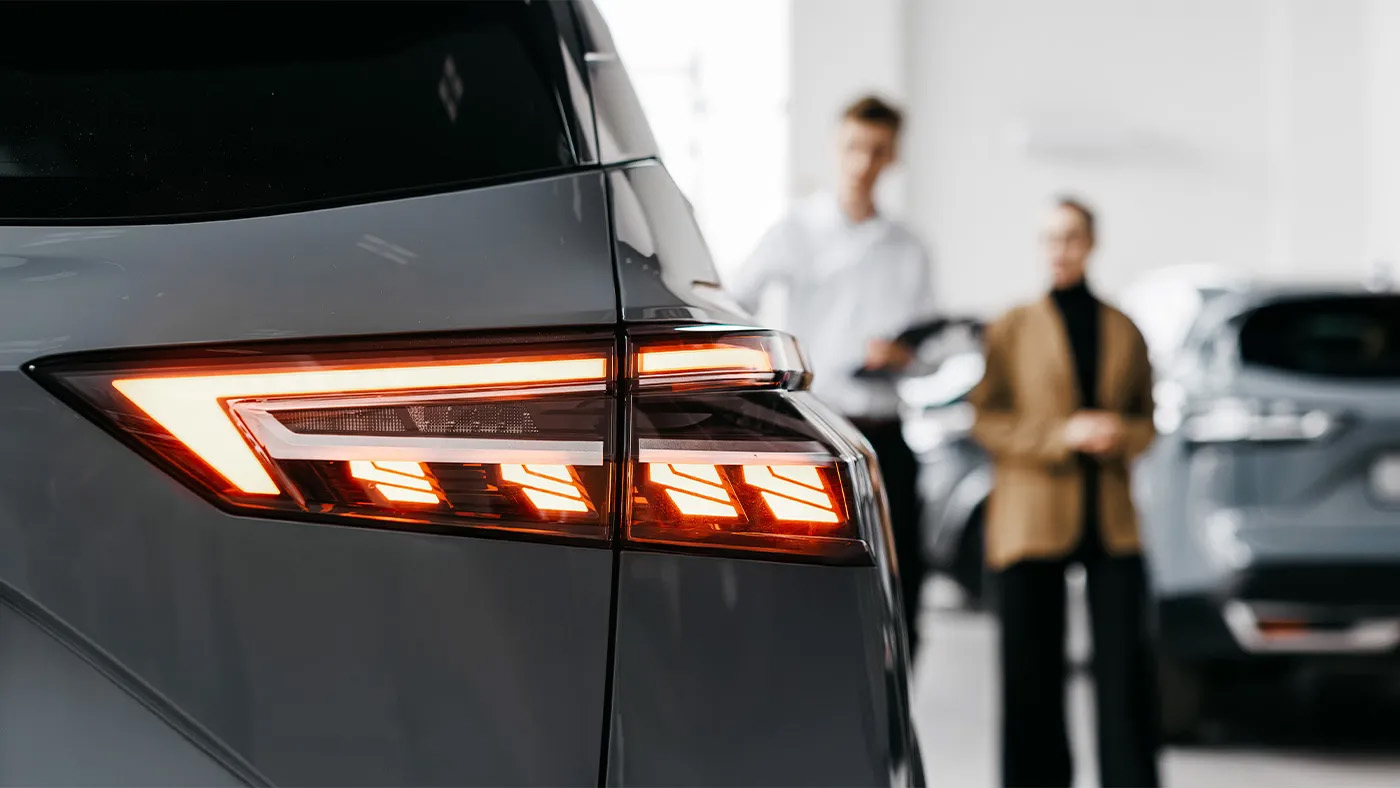
The modern car deal does not begin when a customer walks into the showroom. By that point, most buyers have already done the hard part. Ninety-two percent of buyers research vehicles online, spending more than 14 hours comparing options before ever stepping into a dealership. When they finally arrive at the dealership, they are not looking to start the process. They are looking to finally finish it and close a deal.
That is where many stores still lose momentum today.
The Online-to-Showroom Gap
The problem isn’t a lack of digital tools. Most dealerships have heavily invested in websites, retailing platforms, lead systems, payment calculators and communication tools. The problem is that the in-store process often operates as if none of that work happened. Customers are still asked to repeat information. Numbers get rebuilt. Trade-in conversations restart. The salesperson’s supposed handy details are all over the place, and finance picks up the deal later with its own segmented workflow. From the customer’s side, all that feels like friction.
A buyer who walks into the store today typically arrives with intent. They know what they want to drive, what they expect to pay and what a reasonable monthly number looks like. That in itself should shorten the path to a transaction. Too often, it does the opposite. The dealership resets the process instead of continuing it. Once that happens, trust starts to erode.
Waiting is the New Friction
Time is where buyers feel the disconnect most clearly.
Customers wait for a salesperson. Wait for “updated” pricing. Next come the bottlenecks: awaiting a manager, an appraisal, a lender’s response or the finance handoff. These delays feel entirely unjustified to a buyer who has already done the homework and arrived ready to pull the trigger. The longer the idle time, the more the customer starts to question whether the dealership is actually prepared to do business.
That is why speed matters, but not in the shallow sense of rushing the deal. What buyers want is forward motion. They want each step to build on the last one. They want the store to have complete context, stay organized and alleviate the unnecessary lag between each step in the process. When sales, appraisal, desking and F&I operate in sync, the transaction feels noticeably cleaner. When those functions work in sequence with too many handoffs, the customer feels every single delay.
Complexity is Undermining Transparency
A dealership transaction will always involve more moving parts than an ordinary retail purchase. There are valid steps tied to appraisal, financing, compliance and documentation. Buyers understand that. What they do not accept is confusion. When costs shift vaguely or hidden fees emerge, the journey becomes needlessly taxing. In those moments, even a perfectly fair transaction starts to feel shrouded and suspicious to the buyer.
That is why transparency has to be operational. It’s not enough for a salesperson to say the process is “simple.” The process itself has to become simpler to follow. A buyer should understand what the numbers mean, why they changed and what happens next. They shouldn’t feel like they’re moving through separate departments with separate agendas.
Closing the Operational Gap
The stores getting this right aren’t winning because they added one more piece of technology. They’re winning because they closed the operational gaps between the tools they already have. They’re connecting website activity to the CRM, the CRM to desking, desking to lender logic and finance to the same real-time deal context the salesperson sees. They’re reducing duplicate work, shortening handoffs and making the showroom feel like the final step in a connected transaction instead of the start of a new one.
That is the real shift the industry still needs to make as a whole. Modern buyers don’t expect the car deal to become effortless, but the bare minimum is that it at least makes sense. They expect the store to recognize the work they’ve already done and respond quickly, clearly and consistently.
Source: AutoSuccess

